Gynecomastia Surgery: Restoring a Masculine Chest Contour
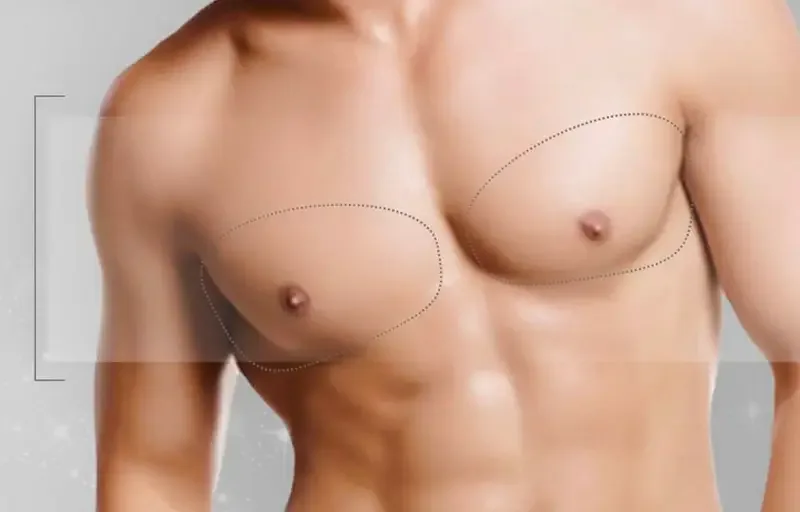
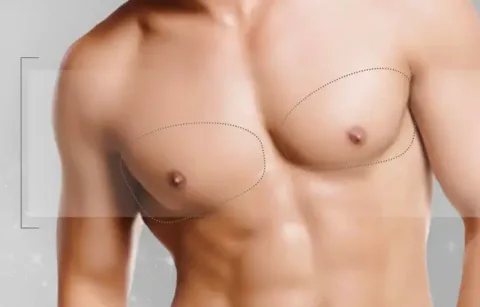
Gynecomastia surgery, also known as male breast reduction, is a transformative procedure performed to correct gynecomastia, an abnormal enlargement of breast tissue in men. This condition can arise from hormonal imbalances, genetic factors, or side effects of certain medications. For many men, gynecomastia leads to self-consciousness and a reduced sense of masculinity, affecting confidence and body image. Gynecomastia surgery provides a lasting solution that reshapes the chest to achieve a more defined, masculine appearance. The procedure typically involves removal of excess glandular tissue, fat, or both using liposuction or direct excision techniques. In some cases, excess skin may also be removed to achieve a smooth, contoured chest. Whether the enlargement is mild or more pronounced, gynecomastia surgery can help men regain confidence and feel more comfortable in their bodies. Advances in surgical techniques have shortened recovery times and produced more natural-looking results, delivering long-term improvements in both form and function. This surgery offers not only aesthetic benefits but also psychological benefits by giving individuals the opportunity to feel more in harmony with their bodies.
What Causes Gynecomastia and How Is It Treated?
Gynecomastia most commonly arises from hormonal imbalances, such as increased estrogen levels or decreased testosterone levels, which lead to enlargement of breast tissue in men. It can occur at different life stages, including infancy, puberty, and adulthood. Hormonal fluctuations during puberty are common and often cause temporary gynecomastia that resolves on its own. In adults, gynecomastia may be triggered by obesity, certain medications (such as steroids or antiandrogens), excessive alcohol consumption, or underlying health issues like liver disease or thyroid disorders.
Treatment for gynecomastia depends on the severity of the condition and the underlying cause. In mild cases, lifestyle changes such as weight loss and exercise may be sufficient to reduce the appearance of enlarged breasts. If gynecomastia persists or is due to hormonal imbalance, medical treatment may be necessary. Medications such as selective estrogen receptor modulators (SERMs) or aromatase inhibitors can help balance hormone levels and reduce breast tissue growth.
In more severe cases or when conservative treatments fail, gynecomastia surgery is usually recommended. The operation involves removal of excess glandular tissue, fat, or both through liposuction or direct excision. The procedure is generally safe and results in notable improvement in chest shape and appearance for most men, often increasing confidence and self-esteem. Treating any underlying conditions may also be necessary to prevent recurrence of gynecomastia.
Surgical Techniques in Gynecomastia Reduction
Gynecomastia reduction surgery employs techniques such as liposuction and glandular tissue excision to remove excess tissue and reshape the chest. When excess tissue is predominantly fatty, liposuction is used, where fat is aspirated through a thin tube (cannula) to create a smooth contour. When the tissue is firm and glandular, excision of the glandular tissue through small incisions is required. In cases with significant excess skin, skin excision is performed to achieve a firmer chest appearance. Optimal results often require a combination of these methods. The surgery is performed under anesthesia and recovery time is generally short. Most men experience a natural, well-defined chest shape and increased confidence after the procedure.
What to Expect After Gynecomastia Surgery?
After gynecomastia surgery, patients can generally expect some swelling, bruising, and discomfort in the treated area that diminishes over several weeks. A compression garment is often recommended to reduce swelling and support healing. Most men can return to light activities within a few days, but strenuous exercise and heavy lifting should be avoided for approximately 4 to 6 weeks to allow proper healing. Some numbness or tenderness in the chest area is normal and usually improves over time. Follow-up appointments with the surgeon are important to monitor progress and address any concerns. Overall, recovery is relatively quick, and once fully healed patients often enjoy a more defined chest contour along with improved self-esteem and confidence.
Gynecomastia surgery offers a transformative solution for men seeking to restore a more masculine chest contour; most patients see significant improvements in both appearance and confidence. Although recovery involves temporary discomfort and swelling, results are generally long-lasting and satisfactory. By following postoperative care instructions and attending follow-up appointments, individuals can achieve optimal healing and experience the benefits of a more sculpted chest. With a well-defined and natural-looking chest, patients often report increased self-esteem and renewed body confidence.
For more aesthetic treatments, you can also visit our website.
Frequently asked questions
What Factors Cause Gynecomastia and How Is It Treated?
Gynecomastia most commonly arises from hormonal imbalances, such as increased estrogen levels or decreased testosterone levels, which lead to enlargement of breast tissue in men. It can occur at different life stages, including infancy, puberty, and adulthood.
What Can I Expect After Gynecomastia Surgery?
After gynecomastia surgery, patients can generally expect some swelling, bruising, and discomfort in the treated area that diminishes over several weeks. A compression garment is often recommended to reduce swelling and support healing.