What is Facelift?
What is a facelift, what does it correct and what does it not?
A facelift (facelift) is an operation that repositions tissues that have descended in the cheeks, jawline and neck due to gravity and aging. Rather than only tightening the skin, the subcutaneous supporting layer (SMAS) is addressed; excess skin is removed and the skin is placed without tension. This sharpens the jawline, elevates tissues that have descended toward the mouth corners and creates a smoother neck appearance.
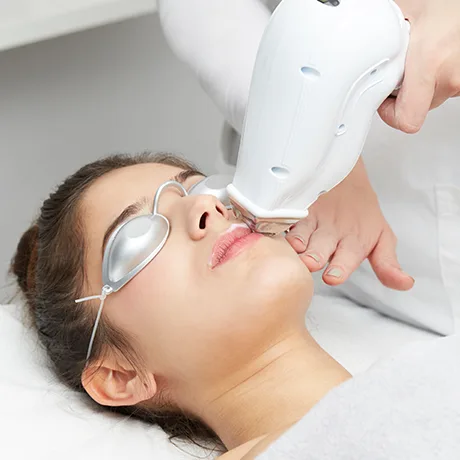
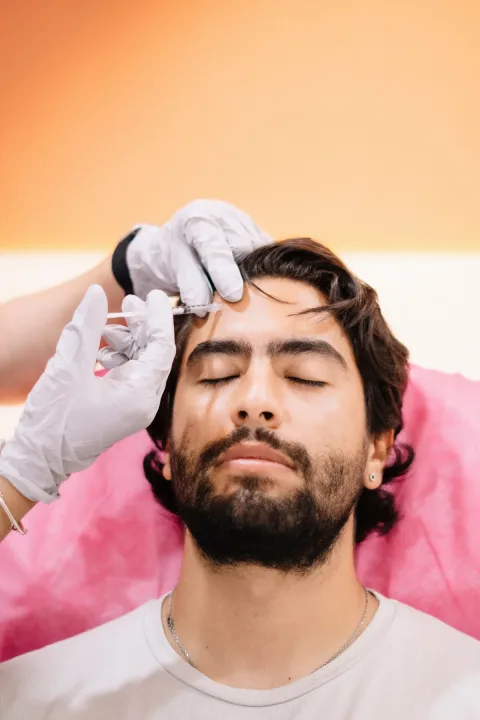
Knowing what a facelift does not correct is important to set realistic expectations. Fine wrinkles, pigmentation, pores and skin surface issues are skin-related problems; volume loss in the cheeks and temples is a separate issue. For these complaints, dermal fillers, fat grafting, fractional laser or Botox can be considered alongside or instead of a facelift. Eyelid problems are also not within the scope of a facelift.
Which facelift technique is suitable for whom?
The choice of facelift technique is based on where and how much sagging is present, not on the technique name. Names such as mini, SMAS and deep plane do not rank success; they describe the plane and regions of the procedure. The table below summarizes the general relationship between examination findings and commonly considered approaches; the personal plan is determined during the consultation.
| Finding | Commonly considered approach | Note |
|---|---|---|
| Mild jawline descent, neck good | Mini (short-incision) facelift | Shorter incision and recovery; limited in scope |
| Moderate sagging of the mid and lower face | SMAS facelift | The supporting layer is tightened; the skin is not placed under tension |
| Marked descent in the cheek, deep nasolabial fold | Deep plane facelift | Tissues are mobilized and repositioned in a deeper block |
| Sagging mainly in the midface and under the eye | Midface / endoscopic lift | Can be planned together with a brow lift |
| Fullness under the chin, neck muscle bands | Addition of neck lift | Often performed in the same operation as the facelift |
When is the neck added to the facelift?
The neck is added to the facelift when there is looseness beneath the chin, vertical neck muscle bands or loss of the chin–neck angle. A facelift that addresses only the face will not fully correct these neck issues. In neck lifting the neck muscle (platysma) is approximated in the midline, submental fat is reduced if necessary, and the skin is positioned as a continuation of the facelift incision. Details are described on the Neck Lift page.
What can be done at the same operation as a facelift?
Procedures most often planned together with a facelift include eyelid surgery, brow lift and fat grafting to the cheeks and under-eye area. Additional procedures create a more integrated result but can prolong the operation and recovery; therefore the necessity and effect on recovery for each additional procedure are discussed separately during the consultation.
What is different in men and in secondary facelifts?
In men incisions are planned differently to avoid moving the beard line forward and to preserve sideburns and the hairline. Because male facial skin is more vascular, preoperative blood pressure control is particularly important. In patients who have had previous facelifts or thread lifts, prior incisions, scar tissue and remaining threads change the plan; bring the date and method of the prior procedure to the consultation.
Where is the facelift scar located?
Facelift scars lie within the hairline, in the front of the ear crease and behind the ear. Since incisions are placed in natural lines they become less noticeable over time; a scar that looks pink in the first months matures and fades over 6–12 months. The incision is shorter in a mini facelift, and when a neck lift is added there may be a small additional incision under the chin. Scar appearance also depends on individual wound healing, smoking and postoperative care.
How to compare facelift offers?
When comparing facelift offers, look at what the offer covers before comparing the total price. Two surgeries with the same name may have very different scopes: one may address only the lower face, while another treats the midface, jawline and neck together. Asking the following questions when requesting a quote will help you truly compare different offers:
- Which regions are covered by the surgery: lower face, midface, neck?
- Which technique will be used and why is this technique recommended?
- Who will perform the surgery, and are anesthesia and hospital fees included?
- How many nights in hospital are included, and are medications and follow-ups included?
- Are additional procedures such as eyelid surgery or fat grafting charged separately?
- What are the conditions for any necessary subsequent corrections?
Facelift for purely aesthetic reasons is not covered by SGK; cases with medical indications are evaluated separately.
If you are coming from another city or abroad
Op. Dr. Hasan Büyükdoğan's clinic is on Bağdat Caddesi in Kadıköy on the Asian side of Istanbul. Patients coming from other cities or abroad are generally advised to stay in Istanbul for 7–10 days after a facelift; during this time initial checks are performed and stitches approach removal. Photographs for preliminary assessment can be shared via a secure method; however photos do not replace face-to-face examination and the definitive plan is made in person. Consultations can be conducted in Turkish, English or German.
What the procedure can address
Not every patient receives the same treatment; the points below may be considered together or separately, depending on the person:
- 01Sagging tissue in the cheeks and deepening nasolabial folds
- 02Loss of jawline definition and sagging at the jowl
- 03Looseness under the chin and in the neck, prominent neck muscle bands
- 04A tired appearance due to loss of midface tissue support
- 05Recurrent sagging after a previous facelift or thread lift
Who may be a candidate?
Who may be a candidate?
Facelift is assessed based on findings rather than age: if the skin and underlying tissues show significant sagging, the appearance of the jawline and neck bothers the patient and general health is suitable for surgery, the procedure may be considered. These findings are most common in the late 40s to 60s; however two people of the same age can have very different needs. Candidates are those who can stop smoking, have blood pressure and blood sugar under control, have stable weight and realistic expectations.
Who may not be suitable?
- Ongoing smoking or nicotine use that cannot be stopped before surgery (increases risk of poor wound healing and skin perfusion)
- Uncontrolled hypertension, diabetes or cardiovascular disease
- Anticoagulant therapy that the physician advises not to stop
- Recent major weight changes or planned significant weight loss in the near term
- When the main concern is fine lines, pigmentation or volume loss
A facelift does not stop aging or transform the face into someone else's. The aim is a more rested appearance while preserving the patient's own facial expression.
The doctor's examination approach
The examination looks beyond appearance to the person's overall anatomy and expectations. Key points assessed:
- Skin quality, thickness and elasticity
- Laxity of the supporting layer
- Position of the cheek tissue
- Submental area and jowl
- Submental region and muscle bands
- Right-left facial differences
- Previous surgery, fillers and thread lifts
- Facial expressions the patient wishes to preserve
The process
During the consultation the face is evaluated from the front, side and in motion; standard photographs are taken for planning. Which areas will be addressed (midface, jawline, neck), incision lines, type of anesthesia and whether additional procedures such as eyelid surgery are required are discussed clearly. Preoperative blood tests and, if necessary, anesthesia assessment are performed.
-
1
Consultation and photography
Face and neck are examined from different angles; expectations and previous procedures are discussed.
-
2
Personalized plan
The areas to be addressed, technique, incision lines and any additional procedures are determined.
-
3
Preparation
Investigations are completed; instructions regarding smoking, medications and supplements are given.
-
4
Surgery
Usually lasts 3–4 hours under general anesthesia; tissues are repositioned and excess skin is removed.
-
5
First night in hospital
Bleeding and swelling are closely monitored; drains, if present, are usually removed within 1–2 days.
-
6
Follow-up
Stitches are removed on days 7–10; healing is followed with scheduled follow-ups.
Technique and medical approach
The method depends on the patient; no single technique suits everyone. Main points considered:
| Approach | Description |
|---|---|
| Mini (short-incision) facelift | The incision is shorter and primarily addresses the jawline and lower face. Considered for patients with limited sagging and no significant neck problem. |
| SMAS facelift | The subcutaneous supporting layer (SMAS) is elevated or folded to tighten it; the skin is repositioned without undue tension. Commonly used for midface and lower face sagging. |
| Deep plane facelift | Work is performed in the plane beneath the SMAS so cheek and jawline tissues are repositioned as a block. Considered for pronounced midface sagging. |
| Midface / endoscopic lift | The cheek and infraorbital area are elevated via small incisions with endoscopic assistance. If sagging is mainly in the midface it may be planned alone or combined with a brow lift. |
| Neck lift (platysmaplasty) | Addresses looseness under the chin and neck muscle bands. Often performed in the same operation as a facelift; details are described on the Neck Lift page. |
Preparing for the procedure
The points below are general information and do not replace personal medical instructions. Your own preparation is set at the examination.
Recovery
-
0–1 day
First day
One night in hospital; head elevated, dressings and drains if present.
-
2–7 days
Early days
Drains are removed and the first check is performed; swelling and bruising are at their peak. Showering and hair washing are carried out according to the day advised by the surgeon.
-
7–14 days
First two weeks
Stitches are removed; bruising is largely reduced. Most people return to social activities and desk work on days 10–14.
-
3–6 weeks
Initial weeks
Residual swelling decreases; heavy exercise may be resumed after 4–6 weeks with the surgeon's approval.
-
3–6 months
Months
Tissues settle, sensory changes mostly resolve; the final appearance becomes clear.
-
6–12 months
Long term
Scars mature and become less noticeable within the hairline.
In the first week after a facelift patients typically feel tightness and numbness more than pain; pain is usually controlled with prescribed medications. If there is rapidly increasing swelling on one side, worsening pain, bleeding or fever, contact the surgical team without waiting for the scheduled appointment; for shortness of breath or chest pain seek emergency medical care.
Results and realistic expectations
The result of a facelift becomes clear as swelling subsides over 3–6 months: cheeks and jawline appear more defined and the neck looks smoother. Because aging continues the result does not fix the face at a single age; the duration of effect varies between individuals depending on skin quality, weight changes, sun exposure and smoking. Fine lines, pigmentation and volume loss may require additional fillers, fat grafting or skin treatments.
Risks and limitations
The risks of a facelift are explained before surgery according to the patient's health. The most common early problem is collection of blood under the skin (hematoma); hypertension, smoking and anticoagulants increase this risk, so preparation and monitoring during the first night are important.
- Accumulation of blood or fluid under the skin (hematoma, seroma)
- Temporary, and rarely permanent, weakness due to facial nerve involvement
- Temporary numbness around the ear and cheek
- Skin perfusion problems, delayed wound healing (more common in smokers)
- Prominent scarring, earlobe shape changes or displacement of the hairline
- Asymmetry and need for revision
- Infection and anesthesia-related risks
Alternative and complementary options
In some cases other methods may be considered. Each has its own limits and is not right for everyone:
| Method | Description |
|---|---|
| 1Thread lift | Provides limited and temporary lifting for mild sagging; does not remove excess skin and does not correct neck laxity. |
| 2Fillers and biostimulators | Support lost volume and fill areas such as cheeks and temples; do not reposition sagging tissues. Effects are limited to months. |
| 3Non-surgical face lifting and energy-based devices | Aim to improve skin quality and mild laxity; do not replace surgery for significant sagging. |
| 4Botox | Softens dynamic lines; has no effect on tissue sagging. |