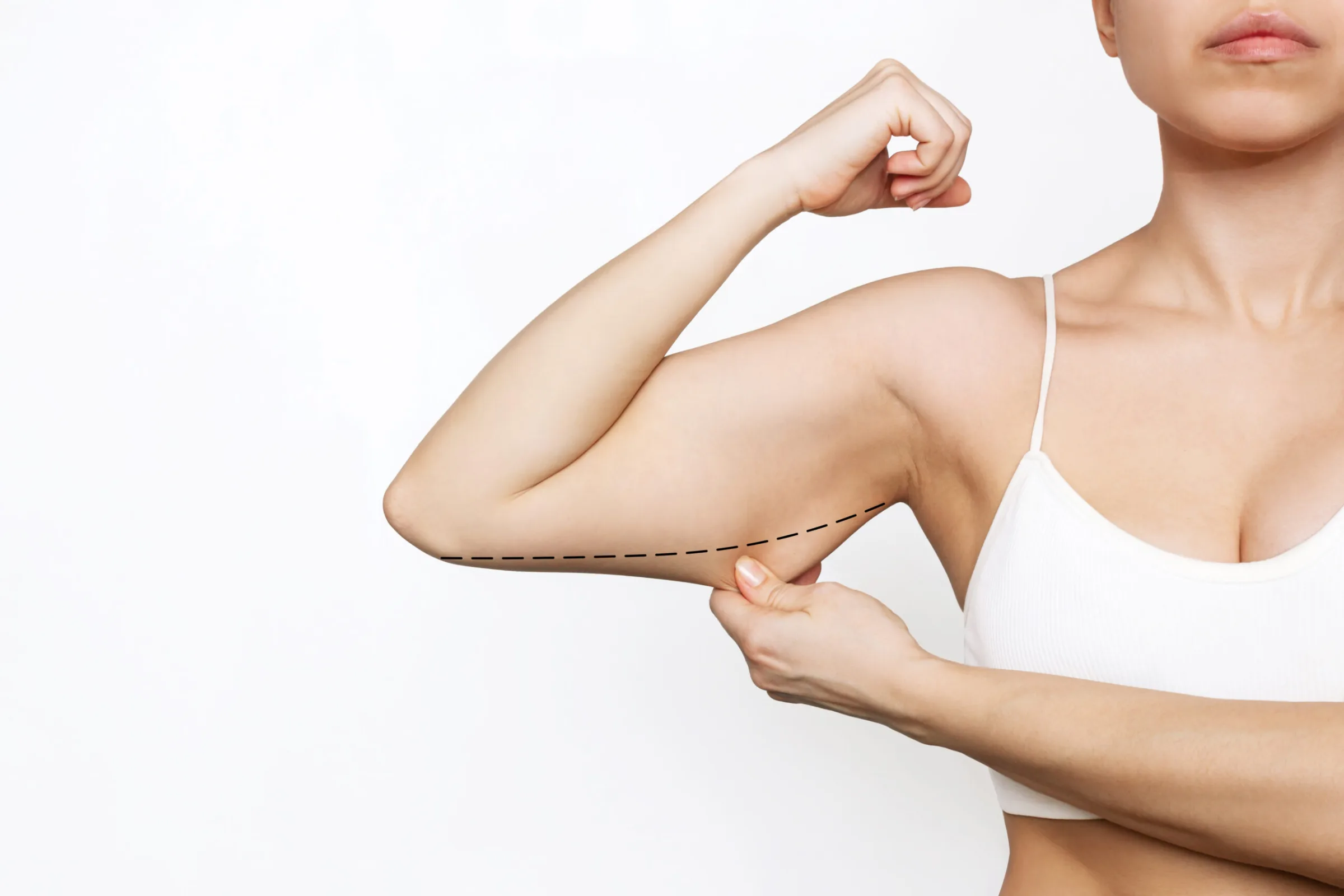
What is Arm Lift?
What is an arm lift, what does it improve and what does it not improve?
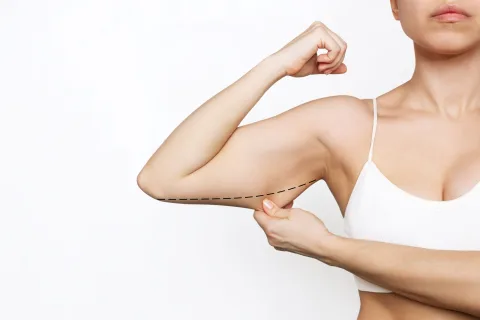
Arm lift (brachioplasty) is a surgery that removes excess skin—and fat if necessary—hanging on the inner and posterior upper arm to improve the line between the axilla and the elbow. The appearance of skin sagging that hangs downward when the arm is held out to the side, commonly called "bat wing," most often appears after major weight loss, with age‑related loss of skin elasticity, or due to hereditary body type. Also known as arm aesthetic surgery or correction of arm sagging, this procedure removes the excess skin, repositions the remaining skin, and reduces fat in the same session if needed.
It is important to know what an arm lift does not correct in order to set realistic expectations. An arm lift does not build muscle, does not produce weight loss, does not change the appearance of the forearm and shoulder, and does not guarantee reducing arm circumference to a specific measurement. Stretch marks on the skin remain where they are unless they are within the excised skin. Most importantly, an arm lift is performed at the cost of a permanent scar; the central question in deciding is whether the expected improvement is worth that scar.
Which arm lift technique is suitable for whom?
The arm lift technique is chosen based on the amount of excess skin and which part of the arm is most affected. The incision length follows the area over which skin must be removed; a shorter incision cannot correct laxity outside its scope. The table below summarizes the general relationship between examination findings and commonly considered approaches; the individual plan is determined during the consultation.
| Finding | Commonly considered approach | Note |
|---|---|---|
| Mild laxity, no significant excess skin | Exercise and weight control | Non‑surgical methods have limited and temporary effects |
| Excess fat, skin elastic | Arm liposuction | Small incisions; does not remove excess skin |
| Sagging limited to the area near the axilla | Mini arm lift | Scar remains in the axilla |
| Sagging spread across the entire upper arm | Standard arm lift | Scar extends from the axilla to the elbow |
| Excess extends to the lateral chest wall | Extended arm lift | Mostly after major weight loss |
| Marked fat along with excess skin | Arm lift with liposuction | Fat and skin are addressed in the same operation |
Is non‑surgical or “scarless” arm lift possible?
Methods advertised as “non‑surgical arm lift” do not remove excess skin; they aim only to mildly and temporarily tighten skin quality in cases of slight laxity. Under this heading are energy‑based applications such as radiofrequency, focused ultrasound and lasers, threads placed under the skin, and fat‑reducing methods. If there is skin that hangs noticeably when the arm is held out to the side, these methods will not correct the sagging and their effects diminish over time.
The same standard applies to the term “scarless arm lift”: every arm lift that removes skin leaves a scar; methods that claim no scar or only small entry scars are those that do not remove skin. Liposuction can slim the arm in people with elastic skin; if the skin is lax, reducing fat may make sagging more noticeable. This distinction is made during the consultation with the arm held out to the side.
Where is the arm lift scar located and how is it planned?
In a standard arm lift the scar runs along the inner arm from the axilla to the elbow; in a mini arm lift it remains within the axilla. The exact line on the inner surface where the scar will lie is discussed during the consultation: a more anterior line may be more visible from the front when the arm is raised, while a more posterior line may be more visible from behind when the arm is at the side. The portion passing through the axilla is planned so it will not cause tightness when the arm is raised. Body scars mature more slowly than facial scars; the arm lift scar is prominent in the first months and softens and fades over 12–18 months. During this process sun protection and the recommended scar care positively influence the appearance.
Arm lift after major weight loss
After major weight loss, arm lift is planned once weight has been stable for at least 6 months. For patients who have had bariatric surgery, this period often corresponds to 12–18 months after the operation. In these patients the excess skin often extends to the lateral chest wall and an extended arm lift may be required. Adequate nutritional status and blood values are important for wound healing; therefore preoperative assessment is more comprehensive.
What can be done in the same operation as an arm lift?
The procedures most commonly planned together with an arm lift are liposuction, breast lift, abdominoplasty and thigh lift. Excess extending to the lateral chest wall can be addressed together with a breast lift plan. Treating multiple areas in the same operation consolidates the overall recovery time but increases operative time and the physiological load; therefore staging procedures may be more appropriate for some patients. Which areas are combined is determined during the consultation according to general health status.
What is different in men and in repeat arm lifts?
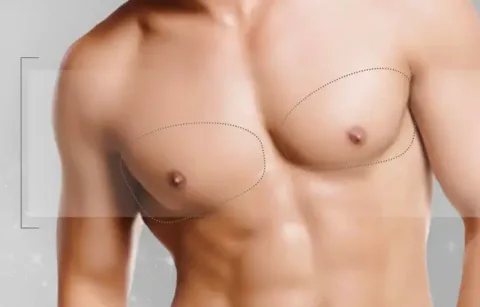
Arm lift in men follows the same principles; differences are mainly in scar placement, muscle and hair characteristics. In men the procedure commonly becomes relevant after major weight loss; if there is excess in the chest area it can be considered together with gynecomastia treatment. For patients who previously had an arm lift or arm liposuction, the prior incisions, scar tissue and remaining excess skin determine the plan. A thickened or widened scar may require additional attention; it is helpful to bring the dates and details of prior surgeries to the consultation.
How to plan the right timing for an arm lift?
The right time for an arm lift is when weight is stable and you can rest your arms during the first weeks after surgery. Surgery can be performed in any season; however wearing a compression garment is more difficult in hot weather and a fresh scar requires greater sun protection in summer. As the final result becomes clear in 3–6 months, schedule surgery with any events where you will wear sleeveless clothing in mind. Arrange help for childcare, household tasks and activities that require lifting or raising the arms during the initial weeks.
How to compare arm lift quotes?
When comparing arm lift quotes, look at which technique and which procedures are included before comparing total price. Two quotes with the same name may differ: one might include only an axillary incision while another includes an incision to the elbow plus liposuction. When requesting a quote, ask the following questions:
- Which technique will be used and where/how long will the scar be?
- Does the price cover both arms; how does it change if the incision needs to be extended to the lateral chest wall?
- Are skin excision and liposuction planned together?
- Who will perform the surgery; is the surgeon a specialist in plastic, reconstructive and aesthetic surgery; are anesthesia and hospital fees included?
- How many nights of hospital stay are planned; are compression garments, medications and follow‑ups included?
- Are other areas treated in the same operation billed together or separately?
- What are the conditions for scar revision if necessary?
Arm lift for cosmetic purposes is not covered by SGK.
If you are coming from out of town or abroad
Patients coming from other cities or from abroad are generally advised to stay in Istanbul for 5–7 days after an arm lift. During this time drains (if present) are removed and initial follow‑ups are performed; for long flights the stay may be extended on the surgeon's recommendation to reduce thromboembolic risk. Op. Dr. Hasan Büyükdoğan's clinic is located on Bağdat Caddesi in Kadıköy on the Asian side of Istanbul. For preliminary assessment the following photos can be shared by a secure method:
- Arms at sides; front, side and back views
- Arms held out at shoulder level; front and back views
- Same position with elbows bent; back view
Photographs do not replace a face‑to‑face consultation and the definitive plan is made in person. Consultations can be conducted in Turkish, English or German; for travel planning see the international patients page.
What the procedure can address
Not every patient receives the same treatment; the points below may be considered together or separately, depending on the person:
- 01Sagging skin that hangs down when the arm is held out to the side, commonly called "bat wing"
- 02Loose arm skin remaining after major weight loss
- 03Upper arm skin that has lost elasticity with age and does not respond to exercise
- 04Excess skin and fat extending toward the axilla and lateral chest wall
- 05Loose skin that does not retract after fat removal
- 06Arm contour that limits the choice of sleeveless clothing
Who may be a candidate?
Who may be a candidate?
Candidacy for an arm lift is assessed based on skin laxity rather than age: if there is noticeable skin sagging when the arm is held out to the side, weight is stable and general health permits surgery, the procedure may be considered. There is no strict age limit; age‑related laxity is more common from middle age while weight‑loss related sagging can occur at any age. It is recommended that weight be stable for at least 6 months; after major weight loss, stable weight is awaited. Better candidates are those who can stop smoking, accept a permanent scar on the inner arm, and have realistic expectations.
Who may not be suitable?
- Active smoking or nicotine use that cannot be stopped before surgery (increases risk of wound healing problems)
- Weight not yet stable or planned significant weight loss
- Uncontrolled diabetes, hypertension or cardiovascular disease
- Anticoagulant therapy that the physician does not deem safe to stop
- History of lymphedema in the arm or prior treatments to the axillary lymph nodes (requires additional evaluation)
- Refusal to accept a permanent scar on the inner arm
An arm lift does not build muscle, does not produce weight loss, and does not promise to reduce arm circumference to a specific measurement. The goal is to remove excess skin to achieve a smoother arm contour; this is exchanged for a permanent scar.
The doctor's examination approach
The examination looks beyond appearance to the person's overall anatomy and expectations. Key points assessed:
- Degree of laxity and elasticity
- Amount of fat in the upper arm
- Whether the sagging extends to the axilla or elbow
- Excess extending to the lateral chest wall
- Weight history and stability
- Differences between right and left arm
- Wound healing, lymphatic and circulatory history
- Balance between scar location and expected improvement
The process
Planning for an arm lift begins with an examination and standard photographs with the arms at the side and held out. The location of maximal sagging, the need for liposuction, incision length, the exact line on the inner arm where the scar will lie, the type of anesthesia and whether other areas will be operated on together are all discussed openly. Preoperative blood tests and anesthesia evaluation are completed; after major weight loss nutritional status and blood values are also reviewed.
-
1
Consultation and photographs
Arms are examined in different positions; weight history, expectations and the scar issue are discussed.
-
2
Personalized plan
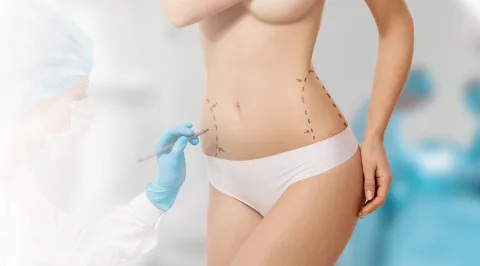
Technique, incision length and location, need for liposuction and any additional procedures are determined; incision lines are marked before surgery.
-
3
Preparation
Laboratory tests are completed; instructions regarding smoking, medications and supplements are given.
-
4
Surgery
Under general anesthesia it usually lasts 1–3 hours; if necessary fat reduction is performed first, then excess skin is removed and the incision is closed in layers.
-
5
First day
A compression garment is applied; patients are discharged the same day or after one night. If drains are used they are usually removed in the first days.
-
6
Follow‑ups
Wounds and swelling are followed with scheduled visits; if absorbable sutures were not used, stitches are removed on days 10–14.
Technique and medical approach
The method depends on the patient; no single technique suits everyone. Main points considered:
| Approach | Description |
|---|---|
| Mini arm lift | The incision is limited to the axilla. Considered when sagging is confined near the axilla; does not correct laxity near the elbow. |
| Standard arm lift | The incision runs along the inner arm from the axilla to the elbow. Used when sagging affects the entire upper arm; the exact line on the inner surface is planned during consultation. |
| Extended arm lift | The incision continues from the axilla toward the lateral chest wall. Considered when excess skin after major weight loss extends to the lateral chest wall. |
| Arm lift with liposuction | If there is significant fat along with excess skin, fat is reduced in the same operation. If the skin is elastic and the problem is mainly fat, liposuction alone may be sufficient. |
Preparing for the procedure
The points below are general information and do not replace personal medical instructions. Your own preparation is set at the examination.
Recovery
-
0–1 day
First day
A compression garment is applied; patients are discharged the same day or after one night. Arms are kept slightly elevated on a pillow.
-
2–7 days
Initial days
Swelling and tightness are most pronounced; drains are removed if present. Light daily movements and walking are continued, but the arm should not be raised above shoulder level. Your surgeon will advise when showers are permitted.
-
7–14 days
First two weeks
Most people return to desk work within 1–2 weeks; if absorbable sutures were not used, stitches are removed on days 10–14.
-
3–6 weeks
First weeks
The compression garment is worn for a total of 4–6 weeks; after 4–6 weeks heavy lifting and arm‑straining sports may be resumed gradually with the surgeon's approval.
-
3–6 months
Months
Swelling largely subsides, the arm contour settles and the final appearance becomes clearer.
-
12–18 months
Long term
The scar matures and fades in color; sun protection is recommended during this period.
In the first weeks after an arm lift patients usually report tightness and swelling and numbness on the inner arm more than severe pain; pain is generally controlled with prescribed analgesics. Because the axillary incision is under tension with movement, avoiding raising the arm above the head and heavy lifting in the early weeks helps prevent wound separation. If there is swelling in the hand and fingers, elevating the arm with a pillow and frequently moving the fingers relieves discomfort. Rapidly increasing swelling in one arm, increasing pain, drainage, wound opening or fever require contacting the surgical team without waiting for the scheduled follow‑up; in case of shortness of breath or chest pain seek emergency care.
Results and realistic expectations
The result of an arm lift becomes clear as swelling subsides, typically within 3–6 months: hanging skin is reduced when the arm is raised and the line from the axilla to the elbow appears smoother. The result is long‑lasting; however significant weight changes and aging can lead to renewed skin laxity. A scar remains and matures over 12–18 months; complete disappearance is not expected.
Risks and limitations
The risks of an arm lift are explained before surgery according to the person's health status. The most common issues relate to the scar: the inner arm scar may thicken or widen, and wound separation can occur in the axillary area. Smoking, weight instability and early arm strain increase these risks, so preparation and early postoperative care are important.
- Thickened, widened or prominent scar
- Wound separation in the axillary area and delayed healing
- Tightness caused by the scar passing through the axilla when raising the arm; infrequent need for revision
- Fluid or blood collection under the skin (seroma, hematoma)
- Sensation changes on the inner arm and forearm; rarely permanent numbness
- Prolonged swelling of the hand and forearm
- Asymmetry, contour irregularities and need for secondary correction
- Infection, thromboembolism and risks related to anesthesia
Alternative and complementary options
In some cases other methods may be considered. Each has its own limits and is not right for everyone:
| Method | Description |
|---|---|
| 1Arm liposuction | If the skin is elastic and the problem is mainly fat, small‑incision liposuction reduces fat; it does not remove hanging skin and may make laxity more apparent in pronounced cases. |
| 2Exercise and weight control | Strengthening arm muscles and reducing fat can improve tone; it does not eliminate excess hanging skin. |
| 3Non‑surgical tightening and energy‑based devices | Methods such as radiofrequency or focused ultrasound aim to improve skin quality in mild laxity; effects are limited and temporary and do not replace surgery for significant excess skin. |
| 4Thread techniques | Threads placed under the skin aim to provide limited and temporary support in mild laxity; they do not remove excess skin and do not correct significant sagging. |