What is Rhinoplasty?
What is rhinoplasty, what does it change and what does it not change?
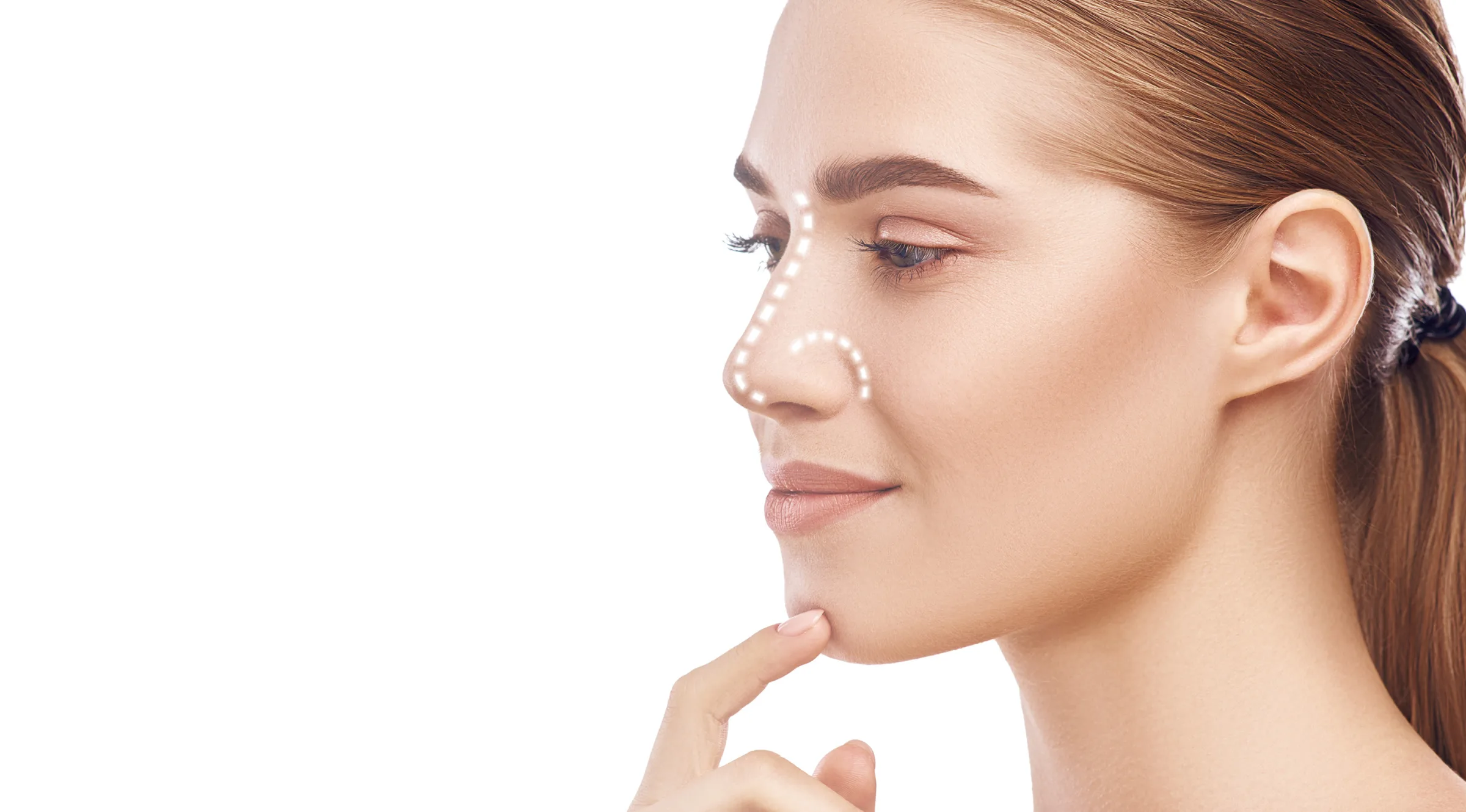
Rhinoplasty (nasal aesthetic surgery) is an operation that reshapes the bony and cartilaginous framework of the nose to harmonize the nasal dorsum, tip and width with the face. The nose is not considered in isolation; it is assessed together with the forehead, lips and chin from the front, side and below. The Mayo Clinic rhinoplasty guide also explains that other facial features and the nasal skin are taken into account in planning.
Knowing what rhinoplasty cannot change is the first step in setting realistic expectations. Skin thickness and pores do not change with surgery; the nasal tip in thick skin may not appear as sharp as in thin skin. Obstruction due to allergy or sinusitis is not corrected by changing appearance. You cannot transplant someone else’s nose onto your face; the goal is the change achievable within your own anatomy. In patients who do not wish surgery, minor irregularities can be temporarily camouflaged with fillers; however, fillers do not make the nose smaller and injections in the nasal area have their own serious risks.
The difference between rhinoplasty, septoplasty and septorhinoplasty
Septoplasty aims to improve breathing by correcting the internal nasal partition (septum); rhinoplasty changes the external shape of the nose; when both are done in the same operation it is called septorhinoplasty. The Cleveland Clinic explanation separates the goals of these procedures. Difficulty breathing from the nose does not by itself indicate which operation is required.
| Topic | Focus | Examination question |
|---|---|---|
| Rhinoplasty | Nose shape and structure | Which changes could harmonize with my face? |
| Septoplasty | The septum inside the nose | Is the cause of my breathing problem related to the septum? |
| Septorhinoplasty | Appearance and airway together | What are the functional and aesthetic parts of my plan? |
When describing your breathing complaint, state whether it is unilateral or bilateral, how long it has lasted, whether it varies with the seasons, and which nasal sprays you use. This information helps distinguish whether the obstruction is due to the septum, the turbinates, or allergy.
How is the technique chosen in nasal aesthetic surgery?
The technique in nasal aesthetic surgery is chosen based on the findings at examination, not on the technique's name. The open and closed approaches describe how the surgeon accesses the nasal structures; neither is generally superior to the other. ASPS procedural steps describe the two approaches in this way. The table below summarizes the general relationship between common findings and the approaches considered; the personal plan is determined at consultation.
| Finding | Commonly considered approach | Note |
|---|---|---|
| Dorsal hump on the nose with a balanced tip | Hump correction and bone reshaping; often a closed approach | No external scar |
| Low, broad or asymmetric nasal tip | Adjustment of tip cartilages; often an open approach | A small scar remains on the columella |
| Crooked nose, septal deviation | Septorhinoplasty | Shape and breathing are addressed together |
| Wide nasal alae | Addition of alar (base) reduction | Scar remains in the alar crease |
| Previous surgery, loss of support | Revision; often open approach and grafts | Generally planned at least 12 months later |
| Thick nasal skin | Strengthening of tip support | The tip becomes definitive later; expectations about refinement are set accordingly |
You may also encounter terms such as piezo (ultrasonic) rhinoplasty and preservation rhinoplasty. Piezo is an instrument that shapes bone with vibration; the preservation approach aims in suitable noses to lower the dorsum without removing it. These methods are not suitable for every nose and do not by themselves guarantee faster recovery or a better result. This section is not a list of the clinic's devices; ask at consultation which method is recommended for your nose and why.
When is a cartilage graft needed in rhinoplasty?
A cartilage graft in rhinoplasty is used when the nose's support is weak, when the tip or dorsum needs reinforcement, or when missing tissue must be replaced in revision surgery. The first preference is often septal cartilage accessible during the same operation. If the septum is insufficient, ear cartilage may be used; if more support is needed, rib cartilage can be used — in which case there will be a small additional scar behind the ear or in the rib area. Because graft need changes the duration and scope of the operation, it is discussed in advance during the consultation.
How does nasal aesthetic surgery differ in men and in revisions?
When planning rhinoplasty in men, the dorsum is generally left straighter and stronger, and the nose–lip angle is kept narrower. An excessively upturned or overly thinned tip can look disharmonious on a male face. Male nasal skin is often thicker, so expectations about tip refinement are adjusted accordingly. In revisions, previous incisions, scar tissue and reduced cartilage stock change the plan; breathing and appearance complaints are evaluated separately. In addition to asking "Will it be completely corrected?" ask "What are the limitations?"; it is possible that reoperation may not be recommended after assessment.
What can be done during the same operation as rhinoplasty?
The topics most commonly discussed alongside rhinoplasty are septum and turbinate correction, alar reduction and procedures on other facial areas. The chin profile influences nasal appearance, so it is evaluated together at consultation. Procedures targeting a separate area, such as eyelid surgery, can be planned in the same session when appropriate; however, additional procedures can extend operative time and recovery, so the indication for each and the option to do them separately are discussed individually.
Where is the rhinoplasty scar located?
In closed rhinoplasty the incision is inside the nose; in open rhinoplasty a small incision is made on the columella between the nostrils. This scar appears pink in the first months and usually fades toward skin color over time. In alar reduction the scar is in the crease where the ala meets the cheek; if ear or rib grafts are taken, the scar remains in that area. Scar appearance also depends on wound healing, smoking and sun protection in the first months.
How to compare rhinoplasty offers?
When comparing rhinoplasty offers, look at what the quote covers before comparing the total price. Two operations with the same name can have very different scopes: one may only address the tip while another includes dorsum, septum and grafts as a full reconstruction. Asking the following questions when requesting a quote will help you compare different offers properly:
- Which areas does the surgery cover: dorsum, tip, alae, septum?
- Will it be open or closed and why is that approach recommended?
- If cartilage grafts are needed, where will they be taken from and are they included in the fee?
- Who will perform the operation; are anesthesia and hospital stay included?
- Are the splint, medications and follow-up visits included in the quote?
- What are the conditions for a possible later correction if needed?
Cosmetic rhinoplasty is not covered by SGK; medical justification is evaluated separately for conditions that affect breathing, such as septal deviation.
If you are coming from another city or from abroad
Patients coming from another city or from abroad are recommended to stay in Istanbul for at least 7 days after rhinoplasty, until the splint removal follow-up. Op. Dr. Hasan Büyükdoğan's clinic is on Bağdat Caddesi in Kadıköy on the Asian side of Istanbul. Pre-assessment photos taken from the front, side and below can be shared securely; however, photographs do not replace an in-person examination and the definitive plan is made face to face. Consultations can be held in Turkish, English or German. To prepare for recovery read the rhinoplasty recovery guide and for travel planning see the international patients page.
What the procedure can address
Not every patient receives the same treatment; the points below may be considered together or separately, depending on the person:
- 01Dorsal hump (prominence) or depression of the nasal dorsum
- 02Low, broad, undefined or asymmetric nasal tip
- 03Wide nasal alae and asymmetry of the nostrils
- 04Crooked nose and post-traumatic deformities
- 05Septal deviation and breathing difficulty due to internal nasal narrowing
- 06Disproportion between the nose and the face: nose length, nose–lip angle
- 07Shape or breathing problems after a previous nasal surgery (revision)
Who may be a candidate?
Who may be a candidate?
Suitable candidates for rhinoplasty are individuals whose bone and cartilage growth is complete (usually after age 16–17 in females and 17–18 in males), who are in general health appropriate for surgery, and who are bothered by their nose's appearance or breathing. Decisions for those under 18 are made with parental consent and a joint consultation; there is no upper age limit for healthy candidates. It is important that the decision is the patient's own, that they can stop smoking before surgery, and that they can describe concretely the feature they wish to change.
Who may not be suitable?
- Incomplete facial and nasal growth
- Uncontrolled chronic disease, bleeding disorder or anticoagulant therapy that the physician advises against stopping
- Active smoking or nicotine use that cannot be stopped before surgery (affects wound healing and tissue nutrition)
- Active nasal or sinus infection; surgery is postponed until treatment is completed
- Severe appearance-related anxiety that limits daily life (body dysmorphic disorder); psychological support is recommended first
- Less than 12 months since the previous nasal surgery (tissues need time to settle)
Rhinoplasty does not transform the nose into someone else’s nose and does not remove tissue-based limits such as skin thickness. The goal is a nose that harmonizes with the patient’s own face and allows comfortable breathing; suitability is determined only after individual examination.
The doctor's examination approach

"My aim in rhinoplasty is to plan the nose not as an isolated structure but as part of a whole that belongs to the face's character, moves when you smile, and breathes."
The examination looks beyond appearance to the person's overall anatomy and expectations. Key points assessed:
- The nose's proportion with the forehead, lips and chin
- Dorsal hump or depression on the nasal dorsum
- Tip support, width and nose–lip angle
- Skin thickness and elasticity
- Breathing complaints and internal nasal examination
- Septal deviation and turbinate size
- Previous surgery, trauma and fillers
- Features to be changed and those to be preserved
The process
Rhinoplasty planning begins with an examination of the nose from the front, side and below and an assessment of the internal nasal airway for breathing. Standardized photographs are taken for planning. During consultation the features you want changed and those you want preserved are discussed separately. The choice of open or closed approach, whether bone work is needed, the need for cartilage grafts and whether septal correction will be done in the same operation are determined at this stage. Preoperative blood tests and, if needed, anesthesia assessment are performed.
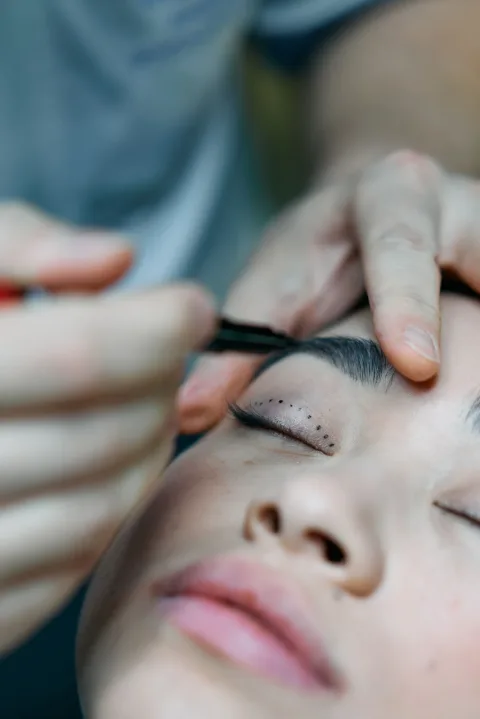
Drawings on photographs help discuss expectations; however, because results also depend on tissue healing, these do not constitute a guarantee of exact outcome.
-
1
Examination and photographs
The external appearance of the nose and breathing are examined; expectations, previous surgery and trauma are discussed.
-
2
Personal plan
The areas to be addressed (dorsum, tip, alae, septum), choice of open or closed approach and need for grafts are determined.
-
3
Preparation
Tests are completed; written instructions are given regarding smoking, medications and supplements.
-
4
Operation
Under general anesthesia it usually takes 2–4 hours; bone and cartilaginous structures are reshaped according to the plan.
-
5
First day in hospital
A 1-day hospital stay is typical; the head is kept elevated, cold packs and pain control are applied.
-
6
Splint check
The splint and tapes are removed within the first week; if internal silicone supports were used they are removed at this check at the latest.
-
7
Recovery follow-up
Swelling reduction and tip definition are monitored with scheduled follow-ups over 6–12 months.
Technique and medical approach
The method depends on the patient; no single technique suits everyone. Main points considered:
| Approach | Description |
|---|---|
| Closed rhinoplasty | Incisions are made inside the nostrils, leaving no external scar. It is considered for changes such as dorsal hump correction and limited tip adjustment; direct visualization of the cartilages is more limited. |
| Open rhinoplasty | A small incision is added to the narrow tissue between the nostrils (columella) and the cartilages are directly visualized and adjusted. It is often preferred for tip restructuring, marked asymmetry and revisions. |
| Septorhinoplasty (functional rhinoplasty) | A deviated septum and, if necessary, enlarged turbinates are addressed in the same operation as aesthetic adjustments. It is planned for patients with breathing complaints and structural causes found on examination. |
| Nasal tip surgery (tip plasty) | If the problem is limited to the tip's width, ptosis or asymmetry, the tip cartilages are adjusted without touching the bones. If there is also a dorsal hump this alone may be insufficient. |
| Alar (base) reduction | For wide alae or large nostrils a small piece of tissue is removed from the base of the ala; the scar lies in the crease where the ala meets the cheek. It can be planned together with rhinoplasty or alone. |
| Revision rhinoplasty | Performed for shape or breathing problems after previous surgery; tissues are usually allowed to settle for at least 12 months. If support is deficient, grafts from septum, ear or rib cartilage may be required. |
Preparing for the procedure
The points below are general information and do not replace personal medical instructions. Your own preparation is set at the examination.
Recovery
-
Day 0–2
First Days
Swelling and bruising are pronounced; the head is kept elevated and cold packs are applied. Due to internal nasal supports, breathing is often through the mouth.
-
Week 1
First Week
The splint and tapes are removed during this period; if internal silicone supports were used they are removed at this check at the latest. The nose may appear swollen and upturned in the first days.
-
Weeks 2–4
First Weeks
Bruising subsides largely within 7–14 days; return to desk work and daily life is generally around day 10. As edema decreases, most patients return to social life in this period.
-
Weeks 4–8
First Two Months
Heavy exercise can be resumed 4–6 weeks later with physician approval. If the nasal bones were treated, glasses should not rest on the dorsum for 6–8 weeks.
-
Months
Long Term
Residual swelling decreases over months with fluctuations and the nasal tip becomes clearer; the final shape usually settles in 6–12 months. In thick skin this period may exceed 12 months.
In the first days after rhinoplasty nasal obstruction and a feeling of pressure are more prominent than pain; pain is usually controlled with prescribed medications. Do not blow your nose in the first week, keep your mouth open when sneezing and avoid pressure on the nose. Edema and the final appearance of the nose settle over months; this period may be longer in thick skin. If bleeding that does not stop, increasing pain and swelling, fever or changes in vision occur, contact the surgical team without waiting for the scheduled appointment; seek emergency medical care for severe breathing difficulty.
Results and realistic expectations
The result of rhinoplasty becomes clearer as swelling subsides: the dorsum and overall proportions become apparent in the first months, while the final shape of the nasal tip generally settles in 6–12 months. The goal is not merely a smaller nose but a nose that harmonizes with the face and allows comfortable breathing.
Changes made to bone and cartilage are long-lasting and do not spontaneously revert to their previous shape; however, the nose ages with the face and trauma can alter its form. Outcomes vary between individuals depending on anatomy, skin thickness, healing and adherence to aftercare recommendations.
Risks and limitations
The risks of rhinoplasty are explained before surgery according to the individual's health status and the planned scope. Early issues most frequently discussed are nasal bleeding and prolonged swelling; smoking, anticoagulants and high blood pressure increase this risk. A key long-term consideration is minor shape irregularities and the potential need for corrective procedures.
- Nasal bleeding, infection and anesthesia-related risks
- Prolonged swelling; especially delayed tip definition in thick skin
- Temporary numbness of the nasal tip and upper lip, temporary changes in smell
- Asymmetry, small irregularities on the dorsum and the need for corrective (revision) surgery
- Difficulty breathing or persistence of the previous obstruction
- Perforation of the septum
- Noticeable scar on the columella with open technique; additional scar and sensitivity where grafts are taken (ear, rib)
Alternative and complementary options
In some cases other methods may be considered. Each has its own limits and is not right for everyone:
| Method | Description |
|---|---|
| 1Non-surgical nasal reshaping (fillers) | Can temporarily camouflage small humps or depressions; does not make the nose smaller and does not correct breathing. Fillers in the nasal area carry serious risks such as vascular occlusion. |
| 2Septoplasty alone | If your complaint is solely breathing-related and you are satisfied with the external appearance, septal deviation can be corrected without changing the nose's external shape. |
| 3Limited corrections: tip or alae | If the problem is only at the tip or the alae, a more limited operation may suffice; it will not change the nasal dorsum. |
| 4Medication and intranasal treatments | For obstruction due to allergy or turbinate swelling, medical treatment is tried first; it does not correct structural deviation or nasal shape. |
| 5Waiting | Waiting can be the right choice for adolescents whose development is incomplete or for those considering revision shortly after a first operation. |