6 reasons your Botox may not be lasting

Botox is one of the world’s most popular non-surgical aesthetic treatments, offering a quick and effective solution to reduce wrinkles and fine lines. However, many people notice that the effects of Botox last shorter than they expected. If you recently had Botox treatment but the results faded sooner than expected, you are not alone. Several factors influence how long Botox lasts, and understanding these reasons can help you manage your expectations and get the most out of your treatment. Here are six important reasons why your Botox may not be lasting.
How long does Botox last? Set realistic expectations
Before discussing the factors that affect Botox longevity, it is important to know how long the effects typically last. On average, Botox lasts between three and six months, depending on various individual factors. During this period, the injected botulinum toxin temporarily blocks the signals between nerves and muscles, causing the muscles to relax and reducing the appearance of wrinkles. The results are not permanent because, over time, your body metabolizes Botox and muscle activity gradually returns. Understanding this helps set realistic expectations and plan maintenance treatments.
Incorrect application: Factors affecting Botox longevity
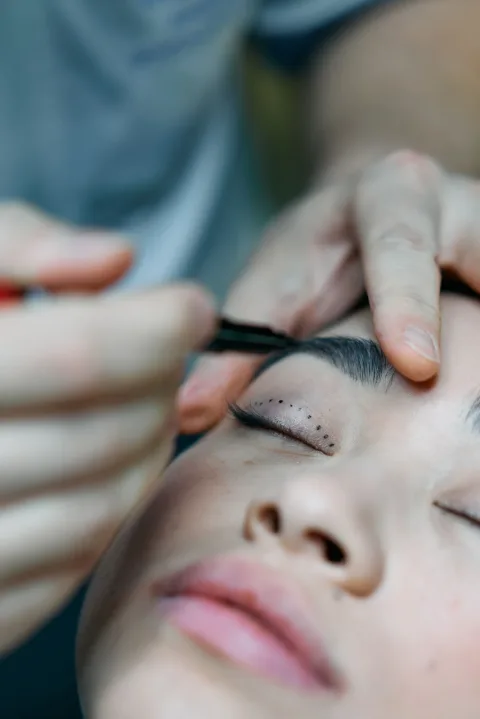
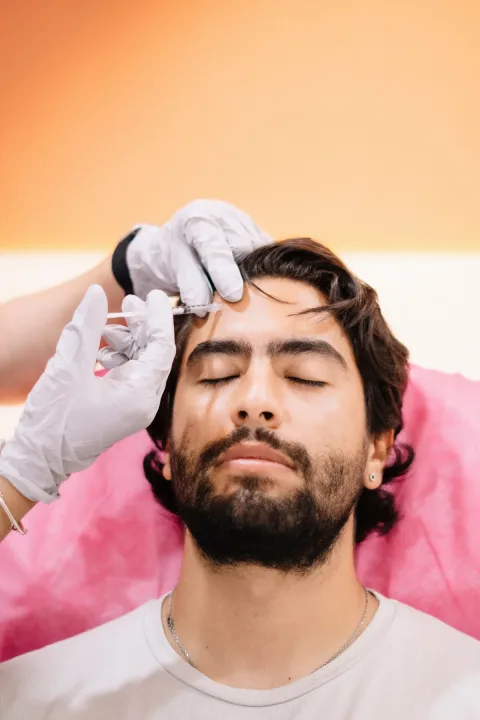
One of the most common reasons Botox results last shorter than expected is incorrect application. Botox should be administered by an experienced practitioner to ensure the correct dose and correct placement. If Botox is injected into the wrong area it may not affect the targeted muscles and the results can be weak. In addition, faulty technique can affect toxin diffusion and cause it to lose its effect more quickly. To increase Botox longevity, it is important to choose a competent practitioner who knows facial anatomy well and performs the procedure with precision.
How does metabolic rate shorten Botox's effect?
Your body’s metabolic rate plays an important role in how long Botox remains effective. People with a faster metabolism may notice Botox effects wear off more quickly. This is because their bodies may break down botulinum toxin faster than others. Factors such as age, genetics, and overall health can affect metabolic rate. If you naturally have a higher metabolic rate, you may need to schedule Botox touch-ups more frequently. However, this does not mean Botox is ineffective—only that your body processes the treatment more quickly.
Habits that shorten Botox duration: Smoking, alcohol, and sun exposure
Some lifestyle habits can also shorten the duration of Botox’s effect. For example, smoking, alcohol consumption, and prolonged sun exposure can accelerate the breakdown of Botox. Smoking restricts blood flow and reduces oxygen supply to the skin, making it harder for Botox to remain active in the injected area. Excessive alcohol consumption can increase blood flow and lead to a faster loss of Botox effect. Similarly, extended sun exposure or frequent use of tanning beds can damage your skin and accelerate Botox breakdown. Adopting healthier habits, avoiding excessive sun exposure, and quitting smoking are important to help maintain your Botox results.
Dosage and longevity: The appropriate Botox dose
The amount of Botox used in your treatment also affects how long the results will last. If an insufficient amount is injected, the muscles may not relax completely and the desired effect may not be achieved. On the other hand, using too much Botox can lead to a frozen appearance or overly relaxed muscles, which may be aesthetically unappealing. The ideal Botox dose varies depending on the individual and the treated areas. A licensed and experienced practitioner will determine the correct dose to provide lasting and natural-looking results.
How do stress and sleep patterns reduce Botox's effect?
Stress and poor sleep habits are two factors that can negatively affect the duration of Botox's effect. Chronic stress can increase the production of certain hormones such as cortisol, which can lead to muscle tension and accelerate Botox breakdown. In addition, stress can cause facial muscles to contract more, contributing to the formation of new wrinkles. Sleep deprivation also plays a role in Botox longevity. When you do not get enough sleep, your body’s ability to repair and regenerate is impaired, and this can influence how long Botox lasts. To help maintain your Botox results, try to manage stress with relaxation techniques and prioritize good sleep hygiene for the best outcomes.
Frequently asked questions
How does metabolic rate shorten the effect of Botox?
Your body’s metabolic rate plays an important role in how long Botox remains effective. People with a faster metabolism may notice Botox effects wear off more quickly.
How do stress and sleep patterns reduce the effect of Botox?
Stress and poor sleep habits are two factors that can negatively affect the duration of Botox's effect. Chronic stress can increase the production of hormones such as cortisol, leading to muscle tension and faster breakdown of Botox.