Fat Transfer and Natural Filler Methods in Aesthetic Surgery
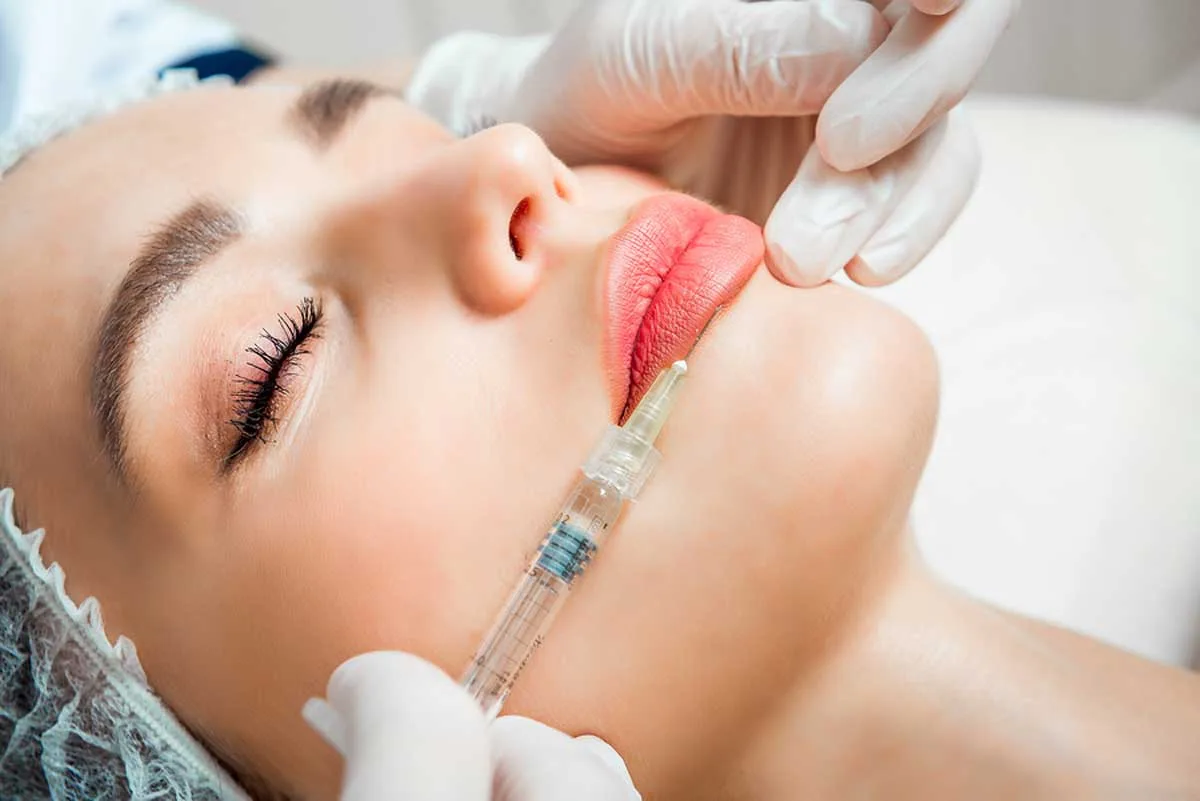
In recent years significant advances have taken place in aesthetic surgery, offering various innovative techniques to enhance beauty while preserving a youthful, natural appearance. One increasingly popular method is fat transfer, which uses the body’s own fat to restore volume, smooth wrinkles, and make facial or body contours more harmonious. In addition to fat transfer, natural filler methods — such as injectable dermal fillers like hyaluronic acid — are also widely used to achieve subtle, natural-looking results. In this article, by examining the benefits, application techniques, and considerations of fat transfer and other natural filler methods, we will emphasize how these procedures have revolutionized aesthetic surgery by providing safer, longer-lasting, and more natural solutions. If you wish to rejuvenate your face or restore volume lost with aging, understanding these methods can help you make informed decisions about your aesthetic goals.
What Are Fat Transfer and Natural Fillers and How Are They Applied?
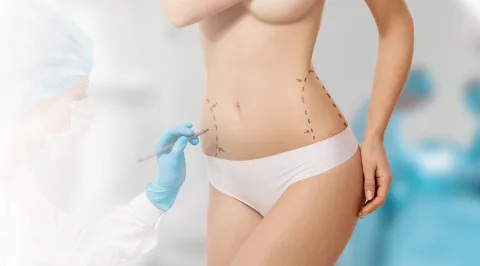
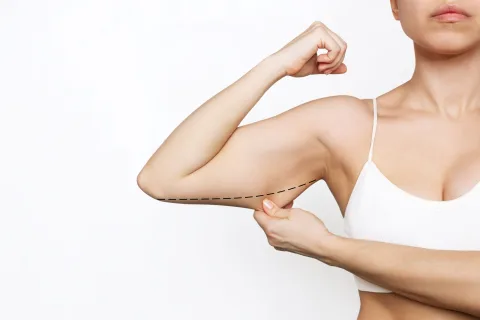
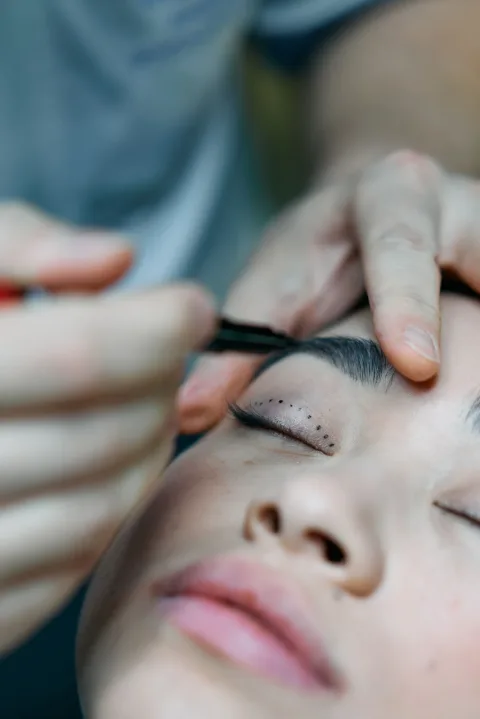
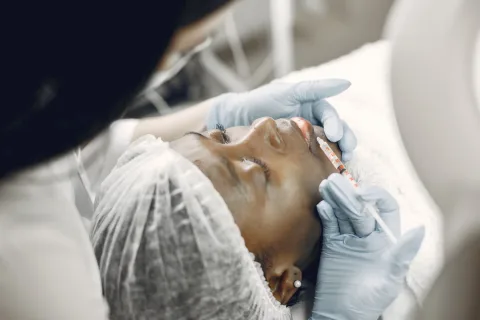
Fat transfer and natural fillers are innovative aesthetic applications used to restore volume and improve contours in various areas of the body. Fat transfer, also known as autologous fat grafting, typically involves harvesting fat from one part of the body by liposuction, purifying it, and then injecting it into areas requiring added volume such as the face, breasts, or buttocks. Because the body’s own fat is used, this method improves appearance while reducing the risk of allergic reactions and provides natural results. On the other hand, the term natural filler generally refers to the use of injectable dermal fillers such as hyaluronic acid; these fillers mimic substances naturally found in the skin, providing temporary but effective results with a short recovery time. Both procedures aim to offer a rejuvenated and more youthful appearance by using biocompatible materials; therefore, they are popular options among those seeking subtle and lasting results.
Advantages and Disadvantages of Fat Transfer
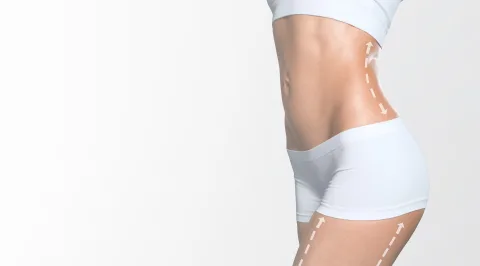
Fat transfer offers several advantages that make it a popular option in aesthetic surgery. One of the main benefits is the use of the patient’s own fat; this reduces the risk of allergic reactions or complications associated with synthetic fillers. Because the results can integrate with surrounding tissues over time, they may appear natural and be long-lasting. Additionally, the procedure provides body-shaping benefits by removing unwanted fat from areas such as the abdomen or thighs; the harvested fat is then transferred to areas that require volume, like the face or breasts. However, there are some disadvantages to consider. Fat transfer may not always be 100% effective; a portion of the transplanted fat can be reabsorbed by the body, resulting in volume loss over time. Since the procedure requires liposuction, there can be more swelling and a longer recovery period compared to non-surgical alternatives. Moreover, results may vary according to an individual’s body characteristics, and multiple sessions may be necessary for optimal, lasting effects.
Who Is a Suitable Candidate for Fat Transfer?
A suitable candidate for fat transfer is generally someone in good overall health, with sufficient body fat for harvesting, and seeking to restore volume or contours in specific areas. Ideal candidates include individuals who wish to correct age-related volume loss in the face, improve body contours, or augment areas such as the breasts or buttocks without implants. It is important for candidates to have realistic expectations and to understand that fat transfer may not produce dramatic changes; although results are natural, they may be more limited compared with some other procedures. Fat transfer is also appealing to those seeking a non-synthetic option and preferring to use their own tissue for cosmetic purposes. Candidates should have stable body weight and be free from medical conditions that could affect healing or fat retention. A consultation with a qualified aesthetic surgeon is essential to determine whether fat transfer is the most appropriate option based on individual goals and health status.
Frequently asked questions
What Are Fat Transfer and Natural Fillers and How Are They Applied?
Fat transfer and natural fillers are innovative aesthetic applications used to restore volume and improve contours in various areas of the body. Fat transfer, also known as autologous fat grafting, typically involves harvesting fat from one part of the body by liposuction, purifying it, and then injecting it into areas requiring added volume such as the face, breasts, or buttocks.
Who Is a Suitable Candidate for Fat Transfer?
A suitable candidate for fat transfer is generally someone in good overall health, with sufficient body fat for harvesting, and seeking to restore volume or contours in specific areas. Ideal candidates are those who wish to correct age-related volume loss in the face, improve body contours, or augment areas such as the breasts or buttocks without implants.