How to Make the Navel Look Aesthetic After a Tummy Tuck
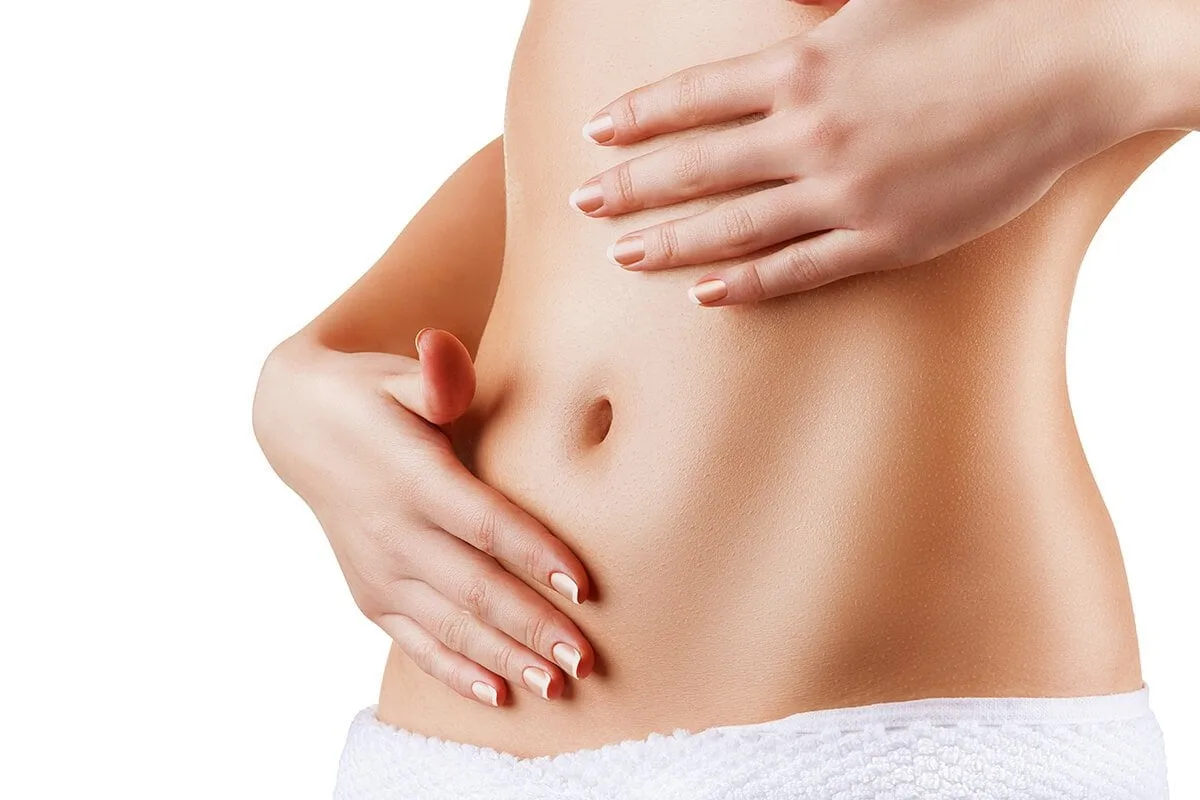
Tummy tuck (abdominoplasty) is a popular aesthetic surgical procedure aimed at achieving a flatter, more contoured abdomen. One of the most common concerns of patients considering this procedure is the appearance of the navel after surgery. Commonly referred to as the navel, this structure plays an important role in the overall aesthetics of the abdominal area, and it is natural to want it to harmonize with your renewed body contours. Although the procedure can produce significant results in tightening loose skin and removing excess fat, special care must be taken to ensure the navel appears natural and well positioned. In this blog post, we will discuss how a tummy tuck affects the navel, the techniques surgeons use to create an attractive navel, and what to watch for to preserve the navel’s appearance after surgery. If you are considering a tummy tuck or are recovering from one, understanding the process can help you achieve the best outcome.
What Happens to the Navel During a Tummy Tuck?
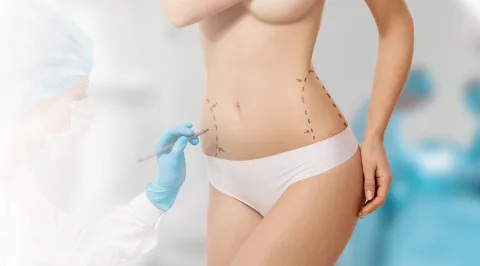
During a tummy tuck the surgeon typically removes excess skin and fat from the abdominal area to create a smoother, firmer contour. However, the navel does not remain unchanged — it often needs to be repositioned or reconstructed to fit the abdomen’s new shape. When a significant amount of skin is removed, the surgeon may make an incision around the navel to free it from the surrounding tissue and move it higher or lower according to the desired result. The goal is to ensure the navel looks natural and is placed to complement the abdominal contours. In some tummy tuck procedures, especially full or extended abdominoplasty operations, the navel may be completely recreated to achieve a younger or more aesthetically pleasing appearance. While the surgery improves the overall shape of the abdomen, it is essential that the navel remains natural and proportionate, avoiding a "pulled" or "exaggerated" appearance. Attention to this detail helps the final result appear balanced and attractive.
What Causes an Unusual-Looking Navel?
An unusual-looking navel can result from various factors ranging from genetics to surgical changes. One of the most common causes is an outie navel, which occurs when the umbilical cord does not fully resorb after birth, creating a small protrusion. In some cases, the navel may appear deeper or shallower due to differences in how the abdominal muscles and skin heal after childbirth or weight changes. A misshapen or asymmetric navel can also result from poor healing after surgery such as a tummy tuck; in these cases the navel may become too wide, irregular, or scarred. Infections or complications related to piercings can also alter the appearance of the navel, causing inflammation, discoloration, or irregularity. Finally, genetic factors influence the shape and size of the navel; some people naturally have deeper, smaller, or more prominent navels. Whether due to natural variation or surgical outcomes, an "unusual-looking" navel generally means a navel that deviates from the conventionally accepted, symmetric form considered aesthetically pleasing.
How to Achieve a Beautiful Navel After a Tummy Tuck
Achieving an attractive navel after a tummy tuck requires a combination of careful surgical techniques and appropriate postoperative care. Some important factors to consider include:
Choose an Experienced Surgeon: One of the most important elements in ensuring an aesthetic appearance of the navel after a tummy tuck is selecting a skilled and experienced surgeon. A qualified plastic surgeon with expertise in abdominoplasty will have the knowledge and precision required to create a navel that looks natural and attractive. Your surgeon will carefully assess factors such as your body shape, skin elasticity, and overall abdominal structure to design a navel that complements your new contour.
Surgical Techniques Matter: During a tummy tuck the surgeon may need to reposition the navel to align it with the new, flatter abdomen. In some cases the navel may be completely reconstructed. Techniques that contribute to an aesthetic navel include placing the navel at the correct height, ensuring symmetry, and preserving a natural shape (avoiding an overly tight or pulled appearance).
Follow Postoperative Care Instructions: After a tummy tuck it is important to follow your surgeon’s postoperative care instructions closely. This includes keeping the area clean, avoiding pressure on the navel, and taking care of the incision sites to minimize visible scarring around the navel. Proper healing helps maintain the shape of your navel and prevents deterioration due to complications or inadequate care.
Massage and Skin Care: Once your tummy tuck incision has healed, gentle navel massage may help soften scar tissue and improve appearance. Products such as silicone sheets or scar gels can contribute to reducing scars around the navel. The skin around the navel should also be kept moisturized to preserve elasticity and prevent tightness that could affect the navel’s appearance.
Patience Is Important: Healing takes time and the final appearance of your navel may not fully emerge for several months as swelling subsides and scars fade. Be patient and give your body the time needed to heal.
With the right surgical approach and meticulous postoperative care, you can achieve an aesthetic and natural-looking navel.
Frequently asked questions
What happens to the navel during a tummy tuck?
During a tummy tuck the surgeon typically removes excess skin and fat from the abdominal area to create a smoother, firmer contour. However, the navel does not remain unchanged — it often needs to be repositioned or reconstructed to fit the abdomen’s new shape.
What causes an unusual-looking navel?
An unusual-looking navel can result from various factors ranging from genetics to surgical changes. One of the most common causes is an outie navel, which occurs when the umbilical cord does not fully resorb after birth, creating a small protrusion.